
Many older homes in rural and suburban areas use a septic tank that treats and disposes of waste right on the homeowner’s property. These systems can be complex, leading many homeowners to wonder how a septic system works and what septic system maintenance tasks must be performed to keep it running properly.
Protect your septic tank and property through this practical guidance. We’ll cover everything you need to know about septic systems to keep your home safe and healthy.
How Does a Septic System Work?
Before learning how to take care of a septic system, it’s important to understand how it works. Septic systems treat household wastewater using a simple, gravity-based process:
Water from sinks, toilets, and appliances flows into the septic tank.
Inside the tank, solid waste settles at the bottom as sludge.
Grease and oil float to the surface, forming a scum layer.
The partially treated liquid in the middle leaves the tank.
This liquid flows into the drainfield through underground pipes.
Soil filters the water as it slowly absorbs it
Types of Septic Systems and How They Differ
The type of septic system you have affects maintenance needs, pumping frequency, and how long a septic system lasts. While designs vary, most homes use one of the following system types:
Conventional gravity system: Relies on gravity to move wastewater from the tank to the drainfield; common in areas with suitable soil.
Pressure distribution system: Uses a pump to evenly distribute wastewater, helping protect the drainfield.
Aerobic system: Adds oxygen to break down water faster and often requires more frequent professional maintenance.
Chamber system: Uses plastic chambers instead of gravel to improve drainage.
How Often Do Septic Tanks Need to Be Pumped?
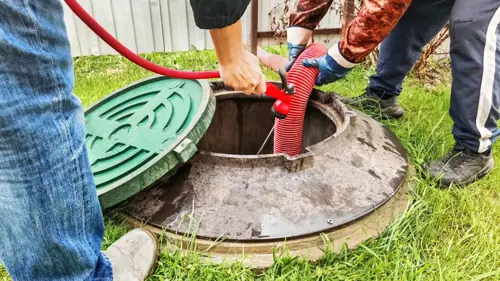
All septic tank systems need regular pumping to remove waste that cannot be fully broken down. Pumping is a normal part of septic system care and maintenance that is best left to professionals.
Additionally, routine cleaning can go a step further by reducing buildup and supporting long-term septic system maintenance. Understanding how often to clean septic systems, along with when to pump, helps prevent avoidable issues.
Here are some signs your septic tank may be full:
Slow drains: Water drains more slowly than usual throughout the home.
Gurgling sounds: Toilets or pipes make bubbling or gurgling noises.
Odors: Sewage smells near drains, the tank, or in the yard.
Pooling water: Standing water or overly green grass near the drainfield.
Many homeowners also ask, “How much does it cost to pump a septic system?” While costs can vary based on factors such as tank size, accessibility, sludge levels, and local requirements, we always provide upfront, transparent pricing for septic pump repairs and maintenance.
Tips on Proper Waste Disposal
Minimize Solid Waste
Increasing the load inside a septic tank will require you to pump more frequently, so limit the amount of solid waste entering your system. You can make small household changes, such as installing a lint trap in your washer or reducing your garbage disposal use, to prevent excessive solid waste from clogging your drain field.
Watch What You Flush
Many products, even those designed for drains and household appliances, can damage your septic system. Harsh household products such as toilet bowl tablets, chlorine bleach, and even septic system additives should never go down your drains.
Homeowners often ask us, “Is Drano safe for septic systems?” and the simple answer is always no. Products like Drano kill bacteria inside the tank and can impede how your septic system breaks down organic waste, increasing the risk of backups and potentially damaging your pipes.
How to Protect the Drainfield
Your drainfield is the area of soil where wastewater from your septic tank is safely absorbed and filtered back into the ground. Because it’s out of sight, it’s often overlooked—but damage here can lead to serious system problems. Here’s what you can do to protect it.
Be Water-Wise
Using less water may increase the life of your septic system. Repair any leaky toilet valves or faucets; a steady drip can overload the system. Take it a step further by installing water-conserving fixtures, such as low-flow shower heads or front-loading washing machines. You can also spread laundry loads and avoid running multiple water-intensive appliances at once to reduce strain.
Prevent Soil Compaction
Heavy vehicles, structures, or equipment placed over the drainfield can compact the soil and limit wastewater absorption. Keeping this area clear helps prevent damage to underground pipes and supports proper drainage.
Avoid Clogging Agents
Grease, oils, and non-biodegradable materials can move from the tank into the drainfield, blocking soil absorption. Keeping these materials out of your system helps wastewater disperse properly.
Schedule Professional Preventative Maintenance
You can prevent costly septic system problems by contacting a certified professional to inspect your system annually and determine when it should be pumped. ARS/Rescue Rooter professionals specialize in fast, friendly septic tank repair and service. Call us at 866-399-2885 today to schedule your septic tank inspection.
Get Help With Septic System Maintenance or Repairs
Now that you know how to take care of a septic system, the next step is knowing when to bring in a pro. ARS/Rescue Rooter supports ongoing septic system maintenance, pumping, and septic tank repair with clear service guarantees you can rely on. We also offer flexible financing options that help make necessary repairs more manageable.
If something doesn’t seem right, you need a pumping service, or you’d rather stay ahead of issues, call 866-399-2885 or schedule online.


